Connected & IoT, Wearables, Consumer Health Devices
A clinically validated, data-driven consumer wearable health and fitness tracker
Developing a breakthrough wearable
Long before smart wearables were mainstream, BodyMedia was shaping what they could be. While most fitness trackers focused on steps or gamified activity, BodyMedia integrated multiple physiological sensors into a single device to track how hard users’ hearts were working. They also built one of the largest human physiology datasets of its kind, applying machine learning to wearables long before AI became a marketing term.
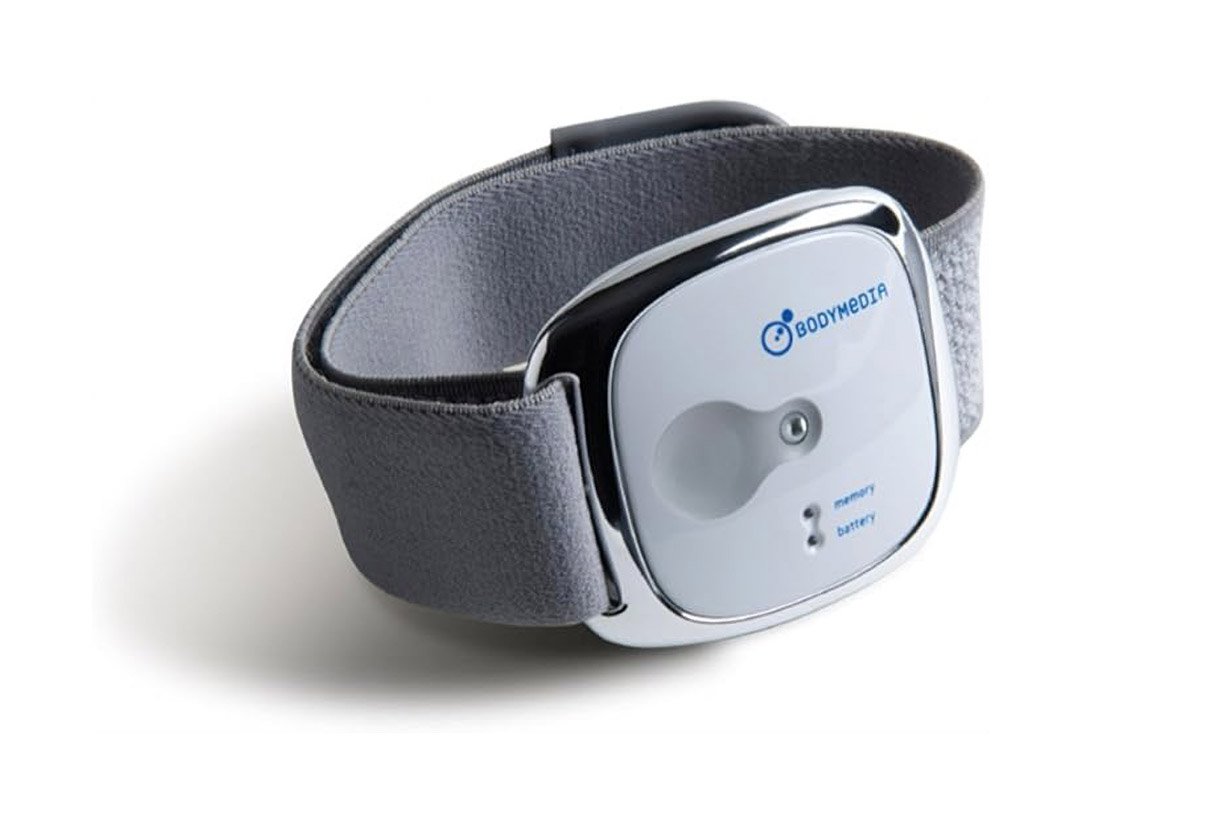
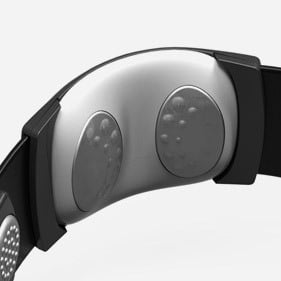
With their multi-sensor platform and proprietary ECG monitoring already developed, BodyMedia shifted its focus to a consumer wearable for weight loss and vital signs monitoring. They partnered with Nottingham Spirk to evolve the platform, starting with a next-generation armband.
Design for performance
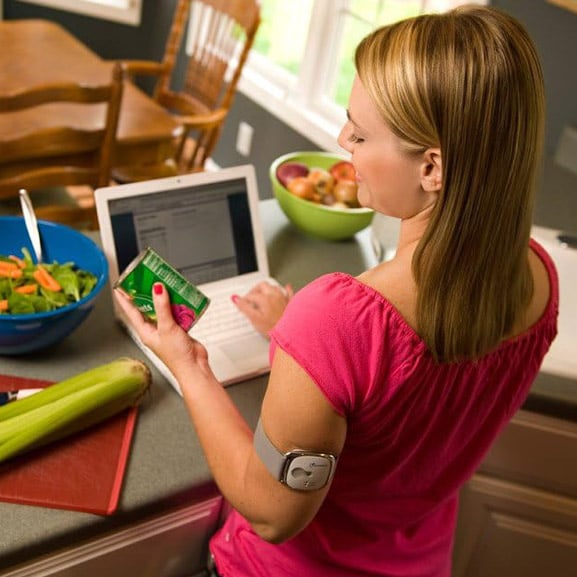
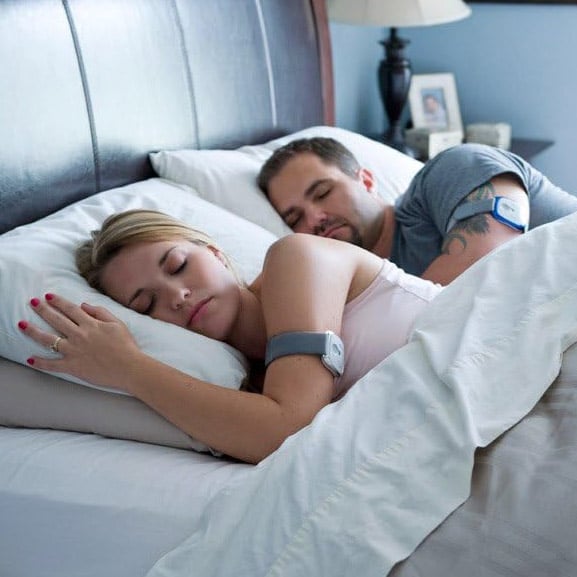
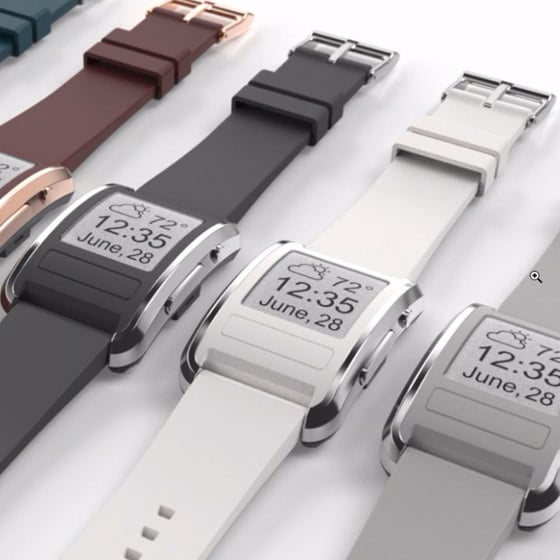
The NS team set out to design a connected device that was lightweight, highly functional, and comfortable enough to wear through workouts. They began by gathering user insights and holding internal creative sessions to explore and refine potential form factors.
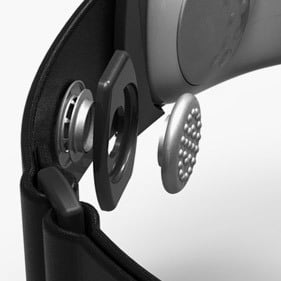
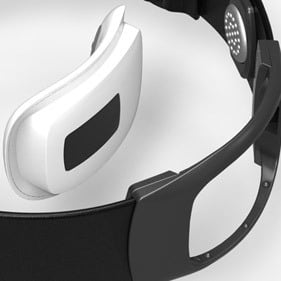
The strap design had been problematic in earlier versions due to discoloration, so new materials were sourced and tested. The redesigned strap also needed to enhance the reliability of the ECG signal by improving the placement and contact of the biometric sensors. The team iterated on multiple fasteners to further improve overall wearability.
Advanced technology, seamless wear
Technology partner Orbital Research developed dry electrode sensors for integration into the armband, eliminating the need for gels or adhesives typically used with traditional ECG systems. The team then conducted a comprehensive placement study to determine the optimal electrode positioning for signal strength and data reliability. Multiple configurations were evaluated to ensure consistent skin contact while accommodating natural movement and variations in body type.
This iterative process refined both the electrical performance and the physical design, ensuring that clinical-grade data could be captured in a wearable format suitable for everyday use.
From concept to validated health device
Nottingham Spirk’s team refined the wearable through prototyping and user testing, balancing comfort, fit, and daily usability. The final design combined sleek, modern aesthetics with fashion-forward appeal, while delivering reliable physiological monitoring and connected health tracking. It was a wearable that looked effortless but worked hard.
Classified as a Class II Medical Device by the FDA, the armband was a clinically validated, data-driven platform, demonstrating that sophisticated sensing and analytics could be seamlessly integrated into a consumer health wearable.
The results
The fitness wearable and strategic platform helped position BodyMedia as a category innovator, ultimately leading to a $100M acquisition by Jawbone.